
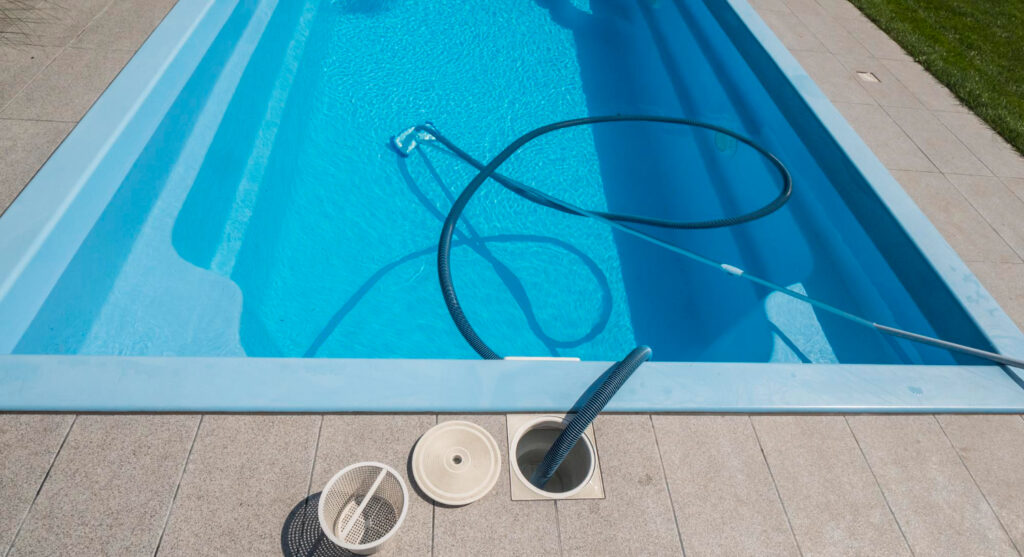
Pool stains can turn your beautiful swimming area into an eyesore, but the good news is that most stains can be removed safely without draining your entire pool. Whether you’re dealing with rust spots, algae buildup, or mysterious discoloration on your pool surfaces, the right pool stain removal can restore your pool’s appearance while keeping your water and wallet intact.
The key to safe pool stain removal is identifying the type of stain first, then using the correct removal method while following proper safety guidelines. Many pool owners make the mistake of trying random cleaning products or harsh chemicals without understanding what caused the stain, which can damage pool surfaces or create unsafe swimming conditions.
In this article, we’ll walk you through the entire process, from understanding why stains form in the first place to choosing the most effective removal methods for your specific situation. You’ll also learn essential safety practices and prevention strategies that will keep your pool looking crystal clear for years to come.
Let’s break down the key points you should consider:
- Why pool stains happen in the first place
- Identifying the type of stain you’re dealing with
- Pool stain removal methods that actually work
- Safety tips for stain removal
- Stain prevention strategies for precast pool owners
By the end, you’ll know how to perform pool stain removal safely, choose the right method for each type of stain, and prevent future discoloration.
Why pool stains happen in the first place
Pool stains develop when metals, organic matter, or chemical imbalances interact with your pool surfaces. Understanding these root causes helps us prevent damage and keep our swimming pools looking clean.
Common causes of discoloration in swimming pools
Metal contamination creates the most stubborn stains we encounter. Copper produces blue-green marks, while iron leaves brown or rust-colored spots. These metals enter through corroded plumbing, well water, or algaecides.
According to the Pool & Hot Tub Alliance, excess copper and/or silver ion concentrations from ionizer systems can increase the probability of staining pool surfaces, which may require specialized removal methods
Organic materials cause yellow, brown, or green stains. Leaves, algae, and other plant matter break down in our pools. Even pollen and dirt can create lasting marks on pool surfaces.
Chemical reactions between pool treatments and water can cause unexpected discoloration. Chlorine interacts with metals already present in the water. This reaction speeds up the staining process.
Poor filtration allows particles to settle on surfaces. When debris stays in contact with pool walls or floors too long, it bonds to the material. We see this happen most often in areas with poor water circulation.
How water chemistry impacts surface appearance
pH levels directly affect how metals behave in our swimming pools. High pH causes metals to precipitate out of solution and stick to surfaces. Low pH makes pool surfaces more likely to absorb stains.
According to Forbes Home, keeping pH between 7.2–7.8 (ideally ~7.4) and free chlorine at 1.0–3.0 ppm, tested two to three times per week, helps the sanitizer work effectively and reduces conditions that allow staining to form.
Chlorine levels that are too high can damage pool finishes. This damage makes surfaces rougher and more likely to hold onto staining materials. Under-chlorinated water allows algae and bacteria to grow.
Calcium hardness affects our pool’s ability to resist stains. Low calcium levels make water aggressive, causing it to pull minerals from surfaces. High calcium creates scale buildup that traps other staining materials.
Total alkalinity acts as a buffer for pH changes. When alkalinity is wrong, pH swings become more extreme. These rapid changes stress pool surfaces and increase staining risk.
Why early action matters for long-term pool health
Fresh stains come off much easier than old ones. Metals and organic matter haven’t had time to bond deeply with pool surfaces. We can often remove new stains with simple brushing or mild treatments.
Set-in stains require harsh chemicals or aggressive scrubbing. These removal methods can damage pool finishes permanently. The longer we wait, the more expensive and difficult removal becomes.
Surface damage happens when stains aren’t addressed quickly. Rough or pitted surfaces trap more dirt and debris. This creates a cycle where staining gets worse over time.
Regular water testing catches problems before they become visible stains. We can adjust water chemistry and prevent most staining issues with consistent monitoring.
Identifying the type of stain you’re dealing with
Before we start removing pool stains, we need to know exactly what type we’re facing. The two main categories are metal stains and organic stains, and each requires different removal methods.
How to tell metal stains from organic ones
Metal stains come from metals like iron, copper, or manganese in your pool water. These stains have distinct colors that help us identify them quickly.
Iron stains appear as rust-colored or brown marks on pool surfaces. Copper stains show up as blue-green or teal discoloration. Manganese creates dark purple or black stains.
Organic stains come from natural materials like leaves, algae, or other plant matter. These stains are usually brown, green, or yellow in color.
We can use a simple test to tell them apart. Drop a small amount of vitamin C (ascorbic acid) on the stain. If it lightens or disappears, we’re dealing with a metal stain. If nothing happens, it’s likely an organic stain.
Metal stains often appear near metal pool equipment or after heavy rains. Organic stains typically show up under areas where leaves collect or where algae grows.
The difference between surface and deep-set stains
Surface stains sit on top of the pool material and are easier to remove. We can often scrub these away with a pool brush and basic cleaning products.
Deep-set stains have soaked into the pool surface material. These stains require stronger chemicals and more time to remove completely.
To test stain depth, we try brushing the area with a standard pool brush. If the stain lightens or moves, it’s a surface stain. If brushing doesn’t change the stain at all, it has likely set deep into the material.
New stains are usually surface stains. Older stains that have been left untreated often become deep-set. Pool surfaces like concrete are more likely to develop deep-set stains than vinyl or fiberglass.
Why accurate stain identification saves time and money
Using the wrong removal method wastes time and money. Metal stain removers won’t work on organic stains, and organic stain treatments won’t remove metal stains.
Wrong identification leads to:
- Buying multiple products unnecessarily
- Spending hours on treatments that don’t work
- Potentially damaging pool surfaces with harsh chemicals
- Delaying the actual solution
Correct identification helps us:
- Choose the right product the first time
- Apply the most effective treatment method
- Avoid damage to pool equipment and surfaces
- Get back to swimming faster
We can also prevent future stains by knowing what caused the current ones. Metal stains tell us to check our water chemistry and filtration system. Organic stains remind us to maintain proper chlorine levels and remove debris quickly.
Pool stain removal methods that actually work
Different stain removal approaches work better for specific situations and stain types. The key is matching the right method to your pool’s needs and understanding when chemical treatments outperform physical scrubbing tools.
When to use a swimming pool stain remover vs. cleaner
Swimming pool stain removers and cleaners serve different purposes in pool maintenance. Stain removers are chemical products that break down and dissolve stains at the molecular level.
Pool stain cleaners are physical products like brushes, pads, or abrasive tools. They work by scrubbing away surface-level stains through friction.
We recommend using stain removers for:
- Metal stains from iron or copper
- Deep-set organic stains
- Large stained areas
- Stains that cover multiple surfaces
Pool stain cleaners work best for:
- Fresh organic debris
- Light surface stains
- Small problem areas
- Regular maintenance cleaning
Never use both methods together. Chemical stain removers need time to work without being scrubbed away. Apply the remover first, let it sit, then use physical cleaning if needed.
How pool stain erasers compare to chemical treatments
Pool stain erasers are sponge-like tools that use mild abrasives to remove stains. They contain no chemicals and work purely through physical action.
Chemical treatments use acids, enzymes, or metal-sequestering agents. These products dissolve stains by changing their chemical structure.
| Pool Stain Erasers | Chemical Treatments |
| Work on surface stains only | Penetrate deep into materials |
| Safe for all pool types | May damage certain surfaces |
| No waiting time needed | Require 12-24 hours to work |
| Cost $5-15 per eraser | Cost $20-50 per treatment |
Stain erasers work well on calcium buildup and light metal stains. They’re safe to use and give immediate results you can see.
Chemical treatments handle tough stains that erasers cannot remove. We use them for organic stains, heavy metal deposits, and stains covering large areas.
Can shocking a pool really remove stains?
Shocking a pool can remove certain types of stains, but it’s not effective for all stain types. Pool shock works by raising chlorine levels to 10 times normal amounts.
According to Forbes Home, combined chlorine should ideally stay below 0.2 ppm (safe <0.5 ppm); if it rises, shock the pool to break chloramines and restore sanitizer effectiveness, especially important for organic stain removal.
Shocking removes these stains:
- Fresh algae stains
- Organic matter from leaves or debris
- Some bacteria-related discoloration
Shocking does NOT remove:
- Metal stains from iron or copper
- Calcium deposits
- Old, set-in organic stains
The process works because high chlorine levels oxidize organic materials. This breaks them down so they can be filtered out of the water.
We shock pools as a first step for organic stains. If shocking doesn’t work within 24-48 hours, we move to targeted chemical treatments. Metal stains actually get worse with shocking because chlorine can oxidize metals and make them stick harder to pool surfaces.
Safety tips for stain removal
Pool stain removal requires careful handling of chemicals and proper technique to avoid damaging your pool surface. We need to protect our pool materials, use chemicals correctly, and always test our methods before applying them to large areas.
Protecting your pool surface during cleaning
Different pool surfaces need different care during stain removal. Plaster pools can handle stronger treatments than vinyl liners or fiberglass surfaces.
Vinyl liner pools are the most delicate. We should never use abrasive brushes or strong acid treatments. Use only soft brushes and gentle cleaners made for vinyl.
Fiberglass pools can scratch easily. Avoid pumice stones and steel wool. Stick to plastic brushes and mild chemical treatments.
Plaster pools are tougher but still need care. We can use slightly stronger chemicals, but we should avoid letting acids sit too long in one spot.
Always brush gently in circular motions. Hard scrubbing can damage any pool surface. If a stain won’t come off with gentle brushing, we need stronger chemicals, not more force.
Keep the pool pump running during treatment. This spreads chemicals evenly and prevents damage to one area.
Avoiding common mistakes with strong chemicals
Strong chemicals can remove stains fast, but they can also cause serious problems if we use them wrong.
Never mix different chemicals. This can create dangerous gases or reactions. Use one product at a time.
Read all labels carefully. Each chemical has specific mixing ratios and safety rules. Too much chemical can bleach pool surfaces or damage equipment.
Common mistakes include:
- Adding chemicals directly to the pool without diluting first
- Using pool shock and acid treatments at the same time
- Not wearing gloves and eye protection
- Working in windy conditions that blow chemicals around
Always add chemicals to water, not water to chemicals. This prevents dangerous reactions and splashing.
Start with the weakest treatment that might work. We can always use something stronger if needed.
Wait at least 4 hours between different chemical treatments. This prevents dangerous mixing in the pool water.
Why testing on a small area first is essential
Testing prevents costly damage to our entire pool surface. A small test shows us how the surface will react before we treat the whole stain.
Pick a hidden spot about 6 inches square. Apply the same chemical and technique we plan to use on the stain. Wait the full treatment time to see results.
What to look for during testing:
- Surface discoloration or bleaching
- Rough or pitted texture
- Cracking or peeling
- Chemical reactions like bubbling
If the test area shows any damage, we need a gentler approach. Try a weaker chemical or shorter contact time.
Document our test results. Take photos before and after. Note the exact products and timing used. This helps us repeat successful treatments safely.
Some stains need multiple treatments. Test the repeat process too, not just the first application.
If testing shows no surface damage and good stain removal, we can safely treat the full stain using the same method.
Stain prevention strategies for precast pool owners
Preventing stains in your precast pool requires consistent maintenance routines, proper water chemistry management, and smart finish selection. These three approaches work together to keep your pool surfaces clean and protect your investment.
How Regular pool maintenance reduces stain risks
We recommend establishing a weekly maintenance schedule to prevent stains before they start. Brushing your precast pool walls and floor removes organic debris that can cause discoloration.
Weekly maintenance tasks include:
- Skimming leaves and debris daily
- Brushing all surfaces twice per week
- Vacuuming the pool floor weekly
- Cleaning the waterline monthly
Regular cleaning prevents organic matter from settling on surfaces. When leaves, algae, or other debris sit on precast concrete, they release tannins that create brown or green stains.
We also suggest checking your filtration system weekly. Clean filters remove particles that could settle and stain your pool surfaces. Replace filter cartridges every 2-3 months or clean them according to manufacturer guidelines.
Water balance tips to avoid future discoloration
Proper water balance prevents both metal staining and surface etching in precast pools. We recommend testing your water 2-3 times per week during swimming season.
Target ranges for precast pools:
- pH: 7.2-7.6
- Total Alkalinity: 80-120 ppm
- Calcium Hardness: 200-400 ppm
- Chlorine: 1-3 ppm
High pH levels cause metal precipitation, leading to blue-green copper stains or brown iron stains. Low pH creates acidic conditions that etch precast surfaces, making them more porous and stain-prone.
We suggest using a reliable test kit or test strips for accurate readings. Add chemicals gradually and retest after 4-6 hours. Never add multiple chemicals at once, as this can cause reactions that damage your precast pool finish.
Choosing finishes that are more resistant to staining
When building or renovating your precast pool, we recommend selecting finishes that resist stains naturally. Darker colors hide minor discoloration better than white or light-colored finishes.
Stain-resistant finish options:
- Aggregate finishes with quartz or pebbles
- Colored plaster in medium to dark tones
- Glass bead finishes
- Tile surfaces in high-stain areas
Smooth finishes like standard white plaster show stains more easily and provide less texture for cleaning. Textured finishes help hide minor discoloration while offering better grip for safety.
We also suggest applying pool finish sealers every 3-5 years. These products create a barrier that prevents stains from penetrating the surface. Choose sealers specifically designed for precast pool applications.
Conclusion
Pool stain removal doesn’t have to be a difficult task. With the right approach, we can tackle most stains safely and effectively.
Regular maintenance prevents most staining issues. We should check our water chemistry weekly and clean our pools consistently.
Different stains require different treatments. Metal stains need acid-based solutions, while organic stains respond to oxidizing agents.
We can remove most stains without draining our pools. This saves time, money, and water while achieving excellent results.
Professional help may be needed for severe staining. Don’t hesitate to contact pool experts when DIY methods aren’t working.
The most effective approach combines proper identification, correct treatment methods, and consistent prevention. This strategy keeps our pools looking clean and inviting throughout the swimming season.
Protect your pool surfaces by identifying stains early and using the right removal method for each type. Professional pool stain removal services can handle deep-set or stubborn marks without risking surface damage, keeping your swimming area safe, clean, and visually appealing.


