Summer is here, and your plunge pool is ready for action. A plunge pool offers a refreshing escape from the heat without the maintenance demands of a full-sized pool. However, proper care is still essential to keep the water clean and safe for swimming.
Regular maintenance of a plunge pool includes brushing the walls at least twice weekly, focusing on shady corners where algae tends to grow.
Monitoring chemical levels, maintaining proper water levels, and keeping the filter clean are also key practices that ensure your plunge pool remains in top condition throughout the summer months.
With smaller water volume, plunge pools can be more cost-effective to maintain than standard pools. However, they require consistent attention to prevent issues that could interfere with your summer enjoyment.
A well-maintained plunge pool provides the perfect cooling spot during hot summer days without becoming a maintenance burden.
This guide shows you how to keep your plunge pool clean, balanced, and ready for every refreshing dip all season long.
Here’s what you need to know:
- Why plunge pool maintenance changes in the summer
- Daily nd weekly plunge pool care checklist for summer
- Best products and tools for summer pool maintenance
- How to prevent algae and bacteria growth
- Water conservation and eco-friendly practices
- What to do during a heatwave or drought
Let’s dive in!
Why Plunge Pool Maintenance Changes In The Summer
Summer brings unique challenges to plunge pool maintenance that require special attention. The combination of intense heat, increased usage, and longer daylight hours creates conditions that can quickly affect water quality and safety.
Heat, Sunlight, And Higher Usage Impact Water Quality
High temperatures significantly impact plunge pool water quality. When temperatures rise, bacteria and microorganisms multiply faster, putting more demand on your sanitizing chemicals.
Sunlight is another factor that affects water quality. UV rays break down chlorine rapidly, sometimes reducing effectiveness by 75% on bright summer days. This means you’ll need to test and adjust chemical levels more frequently than in cooler months.
Increased pool usage during summer adds more contaminants to the water. Body oils, sunscreen, sweat, and other substances introduced by swimmers create a higher demand on your filtration system and chemicals.
For optimal water quality, test your plunge pool water 2-3 times weekly during summer instead of the once-weekly schedule used in cooler months. Run your circulation system longer to ensure proper filtration.
Faster Evaporation And Chemical Imbalances
Summer heat accelerates water evaporation in plunge pools. Even these smaller pools can lose 1-2 inches of water weekly during hot weather. This isn’t just about water loss—it creates chemical imbalances too.
When water evaporates, chemicals become more concentrated. This can lead to improper pH levels and sanitizer effectiveness. The remaining water becomes more alkaline, potentially causing scaling, cloudy water, and skin irritation.
Check water levels every 2-3 days during peak summer. Maintain the water level at the middle of the skimmer opening for proper circulation.
Chemical testing becomes more critical in summer. Pay particular attention to:
- pH (ideal: 7.2-7.6)
- Total alkalinity (ideal: 80-120 ppm)
- Sanitizer levels (chlorine: 1-3 ppm)
Adjust chemicals in the evening when the sun won’t immediately degrade them, maximizing their effectiveness.
Algae Growth Risks In Hot Weather
Warm water creates perfect conditions for algae blooms in plunge pools. Algae spores multiply rapidly when water temperatures exceed 78°F, common in summer plunge pools. These small pools can develop visible algae growth within 24-48 hours during hot weather.
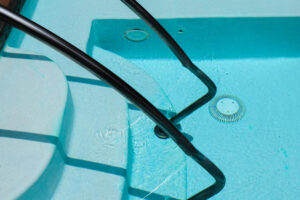
Preventing algae requires vigilance during summer months. Brush the pool walls and floor twice weekly, focusing on corners and steps where circulation may be weaker. These areas are prime spots for algae to begin growing.
Maintain proper sanitizer levels to prevent algae establishment. Consider using an algaecide as a preventative measure during the hottest weeks.
Proper filtration becomes especially important. Run your plunge pool filter 8-10 hours daily during summer, about 25% longer than in cooler months. This helps remove algae spores before they can establish.
Shocking your plunge pool weekly with a chlorine or non-chlorine shock treatment helps eliminate contaminants that feed algae growth and prevents resistant strains from developing.
Daily And Weekly Plunge Pool Care Checklist For Summer
Keeping your plunge pool in top condition during summer requires consistent maintenance. A proper care routine prevents problems and ensures your pool stays clean, safe, and inviting throughout the hot months.
Skimming Debris And Checking Filters
Daily debris removal is essential for plunge pool maintenance. Use a net skimmer to remove leaves, insects, and other floating debris each morning. This quick 5-minute task prevents items from sinking and causing stains or clogs.
Empty the strainer basket daily during heavy use periods. This small container collects larger debris before it enters your filtration system.
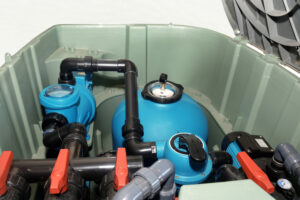
Check your filter system weekly for proper operation. Clean the filter cartridge monthly or whenever you notice increased pressure readings. For small plunge pools, backwashing the filter may be necessary every 2-3 weeks in summer.
Run your pump 6-8 hours daily during summer to maintain proper circulation. This prevents algae growth and helps distribute chemicals evenly throughout your pool.
Consider investing in a robotic cleaner if manual skimming becomes too time-consuming. These devices can significantly reduce daily maintenance requirements.
Testing Water Chemistry: pH, Chlorine, Alkalinity
Test your plunge pool water 2-3 times weekly during summer. More frequent testing is needed during periods of heavy use or extremely hot weather.
| Parameter | Ideal Range | Testing Frequency |
| pH | 7.2-7.8 | 2-3x weekly |
| Chlorine | 1-3 ppm | 2-3x weekly |
| Alkalinity | 80-120 ppm | Weekly |
Maintain proper pH levels between 7.2-7.8 to ensure swimmer comfort and chemical effectiveness. Too high or low pH can cause eye irritation and reduce chlorine efficiency.
Chlorine levels should remain between 1-3 ppm (parts per million). Add chlorine in the evening after swimming to allow it to work overnight.
Test total alkalinity weekly, aiming for 80-120 ppm. Proper alkalinity acts as a buffer for pH, preventing rapid fluctuations that can damage equipment.
Adjust chemicals gradually, especially in smaller plunge pools where changes happen quickly. Always add chemicals with the pump running for proper distribution.
Managing Pool Covers And Solar Exposure
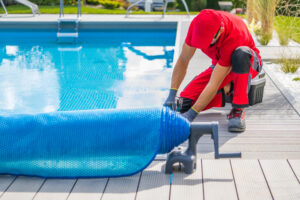
Use a pool cover whenever your plunge pool isn’t in use. Covers significantly reduce evaporation, chemical loss, and debris accumulation.
Remove and store the cover properly during the day if you plan to use the pool. Fold it carefully to prevent damage and rinse off any debris before storage.
Consider the impact of direct sunlight on your plunge pool. Excessive sun exposure accelerates chlorine depletion, requiring more frequent chemical testing and adjustments.
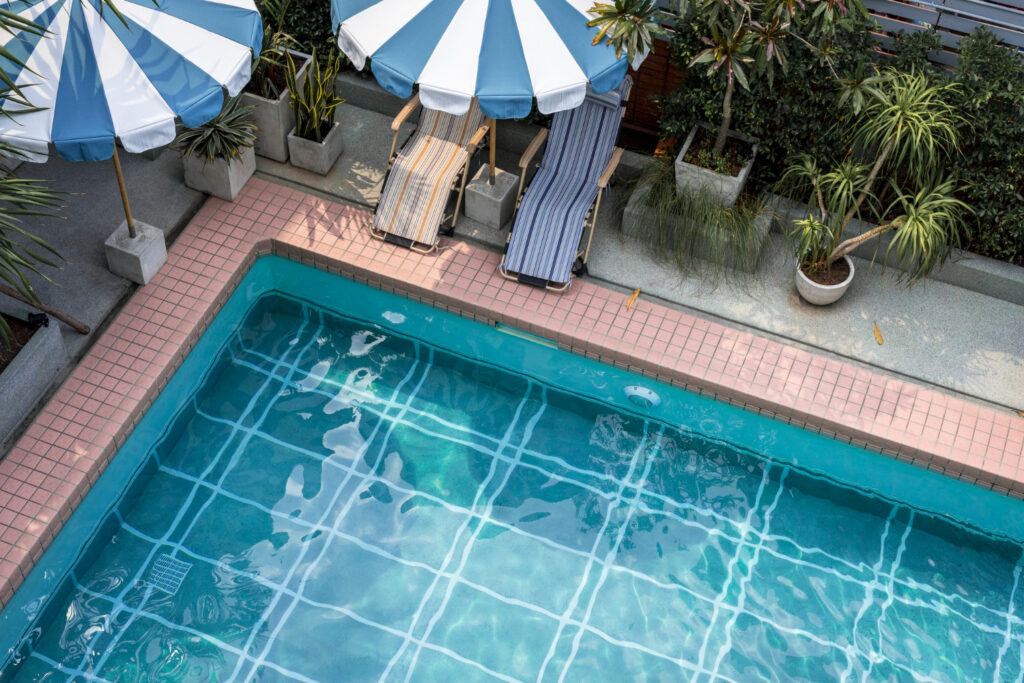
Create shade with umbrellas or canopies during peak sun hours (10am-4pm) to reduce chemical consumption and maintain more stable water temperatures.
Check your pool cover weekly for tears or damage. Small issues can be repaired with patch kits, but extensive damage may require replacement to maintain effectiveness.
Remove standing water from solid covers after rain to prevent mosquito breeding and water contamination.
Best Products And Tools For Summer Pool Maintenance
Keeping your pool in top condition during summer requires specific products designed to handle higher temperatures and increased use. Quality tools can save time and ensure cleaner, safer water for swimming.
Pool Chemicals For Warm Climates
Chlorine tablets (3-inch) are essential for summer pool maintenance as they dissolve slowly in warm water, providing consistent sanitization. Look for tablets with at least 90% available chlorine for maximum effectiveness.
Liquid shock treatments become more important during summer months when pools see increased use and organic matter. Products like HTH Super Shock Treatment work quickly to eliminate contaminants and algae growth.
pH adjusters are critical as summer heat can cause pH levels to fluctuate. Keep both pH increaser (sodium carbonate) and pH reducer (sodium bisulfate) on hand to maintain the ideal range of 7.2-7.6.
Stabilizer (cyanuric acid) prevents chlorine from breaking down in sunlight. In warm regions, maintain levels between 30-50 ppm to protect your chlorine investment without diminishing effectiveness.
Smart Testers And Automatic Dispensers
Digital water testers like the AquaChek TruTest provide more accurate readings than traditional test strips. These devices measure multiple parameters simultaneously including chlorine, pH, alkalinity, and cyanuric acid levels.
Automatic chlorine dispensers like the Pentair Rainbow 320 float in your pool and gradually release chlorine. They’re especially valuable during hot summer days when chlorine depletes faster.
Salt chlorine generators are worth considering for summer use. Systems like the Hayward Aqua Rite convert salt into chlorine automatically, maintaining consistent levels despite heat and heavy pool usage.
Wi-Fi enabled chemical monitors such as the pHin Smart Water Monitor track your pool chemistry 24/7 and send alerts to your smartphone when adjustments are needed—perfect for monitoring rapid changes during heat waves.
Recommended Robotic Or Manual Cleaners
Robotic pool cleaners like the Dolphin Nautilus CC Plus work independently to scrub walls and floors. They remove debris before it breaks down and creates additional chemical demands in summer heat.
The Bublue Bubot 300p cordless robotic cleaner is ideal for smaller plunge pools. Its lightweight design makes it easy to manage while effectively removing dirt and debris without requiring complex installation.
Manual telescopic poles with interchangeable heads (brush, skimmer, and vacuum) provide versatility for quick daily maintenance. The Swimline HydroTools 8040 offers sturdy construction with locking mechanisms to prevent twisting during use.
Leaf rakes with fine mesh are essential during summer when trees and plants shed more frequently. The Professional Heavy Duty Leaf Rake captures even small debris while allowing water to flow through easily.
How To Prevent Algae And Bacteria Growth
Keeping your plunge pool free of algae and bacteria requires consistent maintenance and proper water chemistry. The right combination of circulation, chemical treatments, and regular cleaning prevents harmful microorganisms from taking hold in your pool.
Shock Treatment And Oxidation Tips
Shock treatments are essential for eliminating bacteria and algae that regular chlorine levels can’t handle. Apply shock treatment weekly during summer months when water temperatures rise and usage increases. For best results, shock your pool in the evening to prevent the sun from degrading the chemicals.
Types of shock treatments:
- Calcium hypochlorite (fast-acting, best for severe algae problems)
- Sodium dichlor (stabilized, good for regular maintenance)
- Non-chlorine shock (gentler option for weekly use)
Always follow manufacturer’s dosage instructions based on your pool volume. After shocking, wait until chlorine levels return to 1-3 ppm before swimming. For stubborn algae problems, brush the pool surfaces before shocking to break up algae colonies and make treatment more effective.
Keeping Your Circulation System Efficient
Proper circulation prevents dead zones where algae and bacteria thrive. Run your pool pump at least 8-10 hours daily during summer to ensure water moves through the filtration system consistently.
Clean your filter regularly to maintain efficient water flow. Depending on your filter type:
- Sand filters: Backwash when pressure rises 8-10 psi above normal
- Cartridge filters: Rinse monthly and deep clean quarterly
- DE filters: Backwash when pressure increases by 5-7 psi
Check for and remove debris from skimmer baskets and pump strainers at least twice weekly. This prevents restriction in water flow that can reduce circulation efficiency.
Direct return jets to create a circular motion in the pool, eliminating stagnant areas. Consider adding a secondary circulation system for larger pools to ensure complete water movement.
Balancing Organic Vs Chemical Maintenance
Finding the right balance between organic and chemical maintenance creates a healthier pool environment. Test water chemistry 2-3 times weekly during summer, measuring pH, alkalinity, chlorine, and cyanuric acid levels.
Key chemical parameters to maintain:
- pH: 7.2-7.6
- Total alkalinity: 80-120 ppm
- Free chlorine: 1-3 ppm
- Cyanuric acid: 30-50 ppm
Supplement chemicals with organic practices like using pool covers when the pool isn’t in use. This reduces debris and limits sunlight exposure that accelerates chlorine degradation and promotes algae growth.
Consider natural additives like enzyme products that break down organic compounds without harsh chemicals. These products reduce the biofilm that feeds bacteria and algae without affecting water chemistry.
Regular physical cleaning including brushing walls and vacuuming prevents buildup that chemicals alone can’t address. This mechanical removal of potential algae breeding grounds is as important as chemical treatments.
Water Conservation And Eco-Friendly Practices
Maintaining a plunge pool responsibly means adopting practices that reduce water waste and environmental impact. Smart pool owners focus on conservation strategies that also help lower maintenance costs.
How To Reduce Evaporation And Refill Needs
Evaporation is the primary cause of water loss in plunge pools, with up to an inch of water disappearing weekly during hot summer days. Regular leak checks are essential – even small leaks waste significant amounts of water over time.
Look for wet spots around the pool area or unexplained drops in water level. If the water level decreases more than 1/4 inch in 24 hours, a leak may be present.
Lowering water temperature by just a few degrees can significantly reduce evaporation rates. For every 10°F decrease in temperature, evaporation rates drop by approximately 30%.
Water-saving backwash techniques:
- Use shorter backwash cycles (30-60 seconds instead of 2-3 minutes)
- Collect backwash water for garden irrigation when possible
- Consider upgrading to water-efficient filter systems
Using Covers Efficiently
The U.S. Department of Energy reports that a quality pool cover can reduce evaporation by as much as 95%, conserving water and cutting down on chemical and energy costs. They also help maintain water temperature and reduce chemical consumption.
For maximum efficiency, cover the pool whenever it’s not in use, even during short breaks. This practice can save thousands of gallons of water each season.
Different cover types offer various benefits:
- Solar covers: Reduce evaporation while heating water
- Safety covers: Prevent accidental falls while conserving water
- Liquid covers: Form an invisible barrier that reduces evaporation
Automated cover systems make daily use more convenient and increase the likelihood of consistent usage. The initial investment typically pays for itself within 1-2 seasons through water and chemical savings.
Sustainable Cleaning Products
Traditional pool chemicals can harm the environment when they enter waterways. Eco-friendly alternatives maintain pool cleanliness while reducing environmental impact.
Recommended sustainable products:
- Enzyme-based cleaners that break down organic matter
- Mineral purifiers that reduce chlorine needs by up to 50%
- Salt chlorine generators that produce chlorine on-site
Look for biodegradable, phosphate-free products with minimal packaging. These cleaners work effectively without introducing harmful chemicals into the ecosystem.
Regular maintenance with sustainable products often requires smaller chemical doses. This approach not only protects the environment but can also reduce skin and eye irritation for swimmers.
Many eco-friendly systems use UV or ozone technologies to reduce chemical dependency while maintaining excellent water quality.
What To Do During A Heatwave Or Drought
Heatwaves and droughts create special challenges for plunge pool owners. Water evaporates faster, chemicals break down more quickly, and maintaining proper water balance becomes more difficult during extreme heat.
Adjusting Usage Frequency
During a heatwave, consider limiting plunge pool usage to essential times. This helps minimize water agitation which can speed up chemical evaporation and water loss.
Monitor your water level daily as evaporation accelerates in high temperatures. Mark your ideal water level and top off as needed, but be mindful of water restrictions during drought conditions.
If drought restrictions are in place, check with local authorities about allowable refill schedules. Some areas permit partial refills for maintenance purposes even during water conservation periods.
Consider installing a pool cover when the plunge pool isn’t in use. Covers can reduce evaporation by up to 95%, saving water and chemicals while keeping debris out.
Minimizing Heat-Related Chemical Loss
Test water chemistry more frequently during heat waves—ideally every 1-2 days. High temperatures speed up chlorine degradation, requiring closer monitoring.
Maintain chlorine levels between 1-4 ppm during hot weather. Consider adding chlorine in the evening when UV rays are less intense to prevent rapid breakdown.
Use cyanuric acid (chlorine stabilizer) at appropriate levels (30-50 ppm) to protect chlorine from sun degradation. Be careful not to exceed recommended levels.
Consider switching to a specialty heat-resistant sanitizer formula during extended hot periods. These products are designed to resist breakdown in high temperatures.
Run your filtration system longer during heat waves. Extended circulation helps distribute chemicals evenly and prevents algae growth, which accelerates in warm water.
Safety And Comfort Tips For Hot Days
Check water temperature before entering your plunge pool during extreme heat. The ideal cold plunge temperature is 50-60°F, but this may be difficult to maintain during heatwaves.
Consider adding extra ice or using a dedicated chiller unit during hot weather. This helps maintain therapeutic temperatures for cold plunging benefits.
Create shade over your plunge pool using umbrellas, canopies, or permanent structures. This reduces direct sunlight, slowing both water heating and chemical breakdown.
Stay hydrated when using your plunge pool, especially during hot weather. Cold water immersion can mask signs of dehydration, making it important to drink water before and after use.
Schedule maintenance tasks like cleaning and chemical adjustments during cooler morning or evening hours for your safety and comfort.
Conclusion
Summer is the season when your plunge pool gets the most love, and also needs the most care. With higher temperatures, heavier use, and longer daylight hours, your maintenance routine needs to adapt to keep water clean, clear, and safe.
Consistent daily and weekly habits make all the difference. Skimming debris, brushing surfaces, testing water chemistry, and running your circulation system are small tasks that prevent major headaches.
Monitoring chemical levels more frequently and using a quality pool cover will help you stay ahead of evaporation, algae growth, and sanitizer breakdown.
Smart tools like digital testers, robotic cleaners, and automatic dispensers can streamline your summer maintenance and save hours of manual effort. And during heatwaves or droughts, adjusting usage and optimizing your system’s efficiency becomes even more essential.
A well-maintained plunge pool means peace of mind and maximum enjoyment through the hottest months of the year, without letting your backyard oasis turn into a chore.
Want expert help keeping your plunge pool in perfect shape this summer? Little Dipper offers maintenance plans and seasonal tune-ups tailored for small pools and hot-weather challenges.